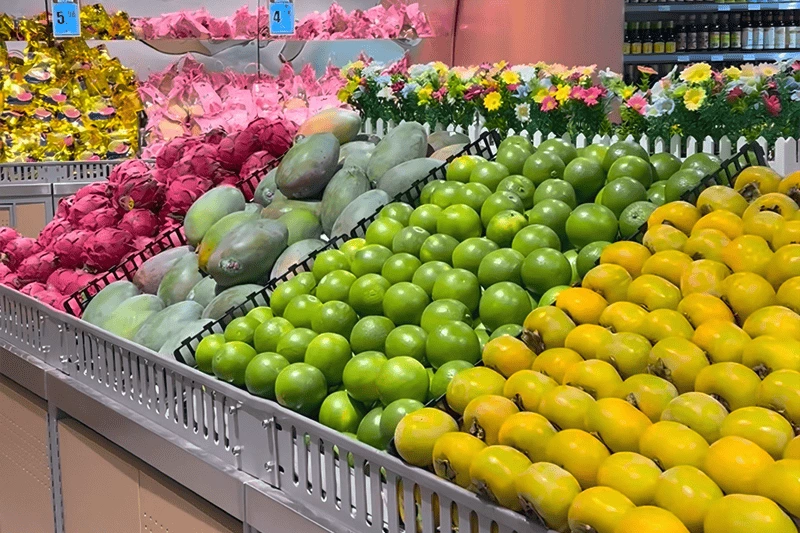
Improving lighting utilization not only saves energy and electricity but also enhances the shopping experience.
Lighting fixtures account for a significant portion of electricity consumption in supermarkets, and they are also equipment that can save considerable electricity costs with minimal investment.
Efficient use of lighting is crucial for a well-managed supermarket, as it not only affects electricity costs but, more importantly, the customer shopping experience. Specific practices are as follows:
First, the lighting should be rationally distributed. Appropriate lighting fixtures should be used according to the size of the supermarket, and the layout of the lighting should be well-planned to make the supermarket's lighting distribution more scientific. Areas that need to be highlighted, such as endcaps, should have sufficient illuminance, while aisles and other environmental spaces only need brightness that does not affect the normal operation of the supermarket. The supermarket lighting should have a sense of layering, creating contrast between the merchandise and the environment. Avoiding excessive lighting ensures both effective illumination and an enhanced shopping experience.
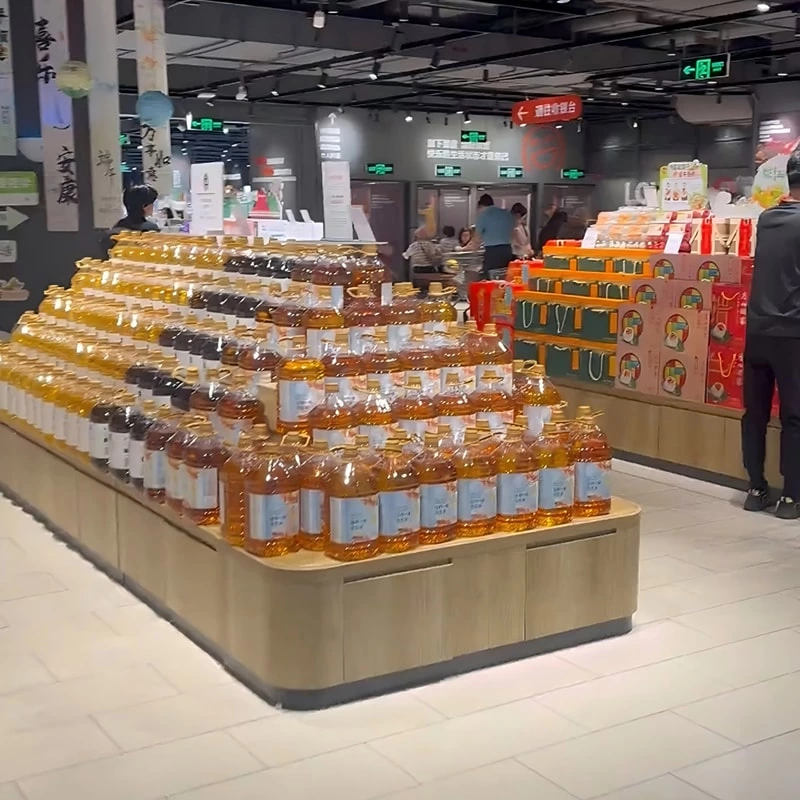
Secondly, use high-efficiency lighting fixtures. In reality, the electricity cost of using lighting fixtures far exceeds the cost of the fixtures themselves. Therefore, improving luminous efficiency without significantly increasing the cost of the fixtures is very worthwhile. The luminous efficiency of a lighting fixture mainly depends on the LED chips, optical components, and power supply. Using high-quality components not only improves the overall luminous efficiency but also extends the lifespan of the lighting fixture.
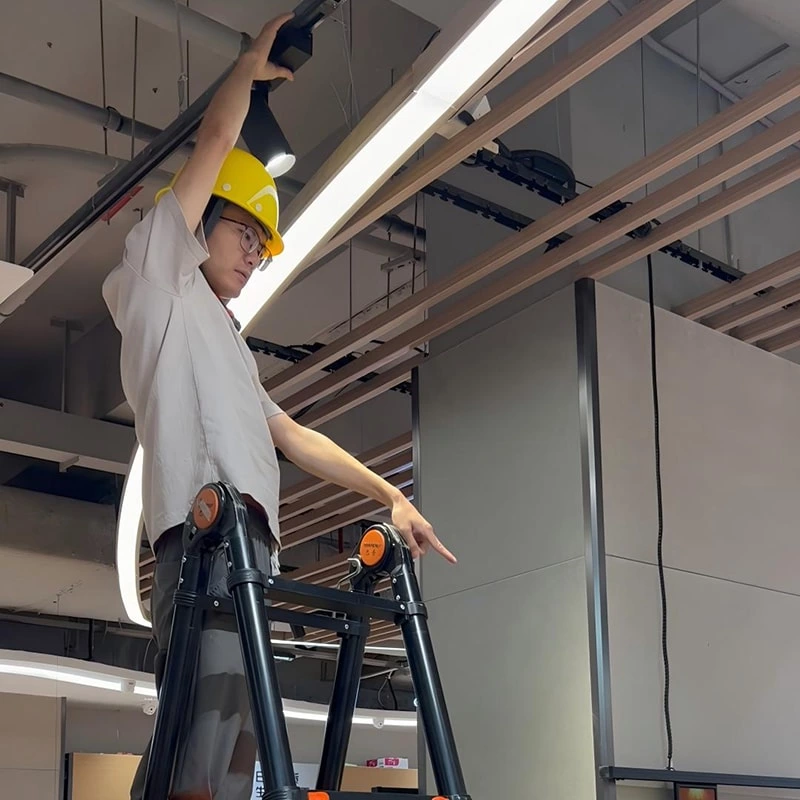
Third, adopt an intelligent lighting system with adjustable brightness. A key characteristic of supermarkets is that customer traffic follows a predictable pattern. Therefore, supermarket lights don't need to maintain high brightness at all times. An intelligent system can adjust brightness based on customer flow patterns: increasing brightness during peak hours for better product display, and halving brightness during off-peak hours. This not only doesn't disrupt normal supermarket operations but also saves considerable electricity costs and reduces spoilage of fresh produce.
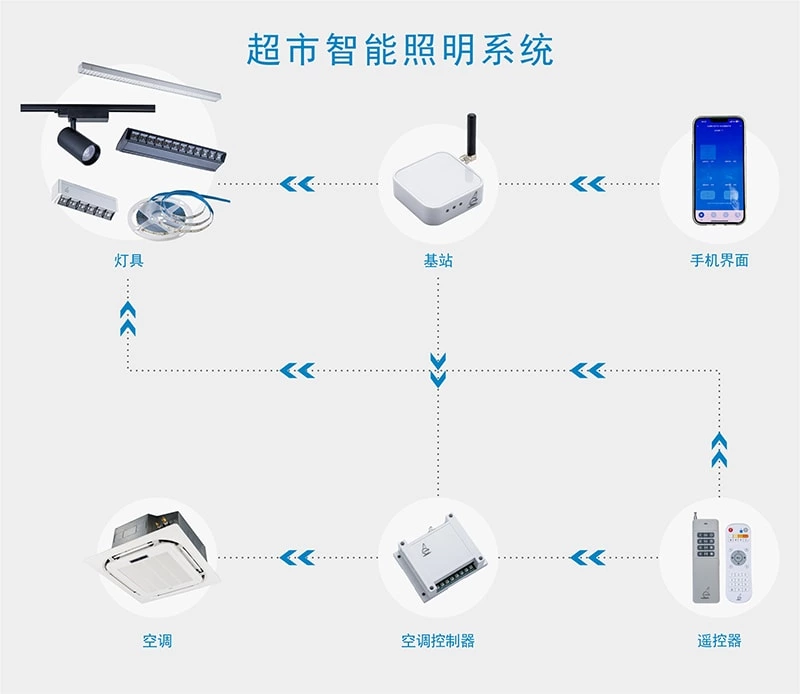
It is believed that with the development and increasing competition in the industry, only more refined and efficient management can achieve better results. The supermarket lighting industry should also follow the laws of the times.