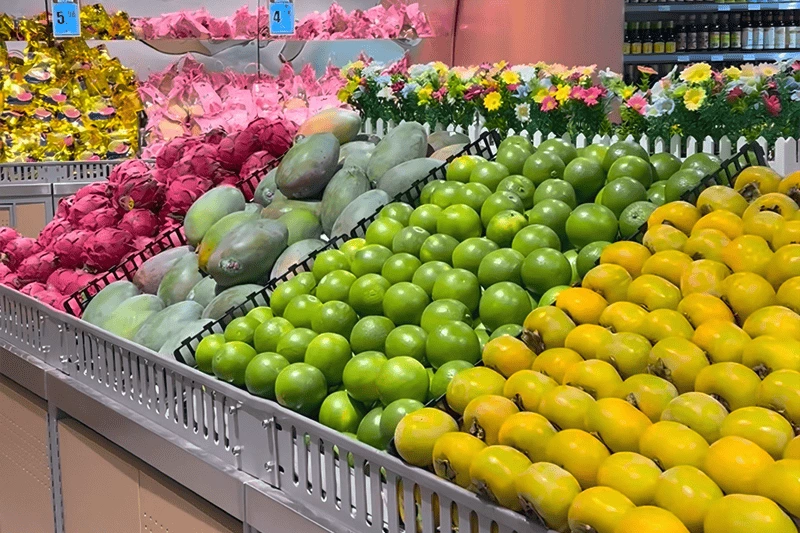
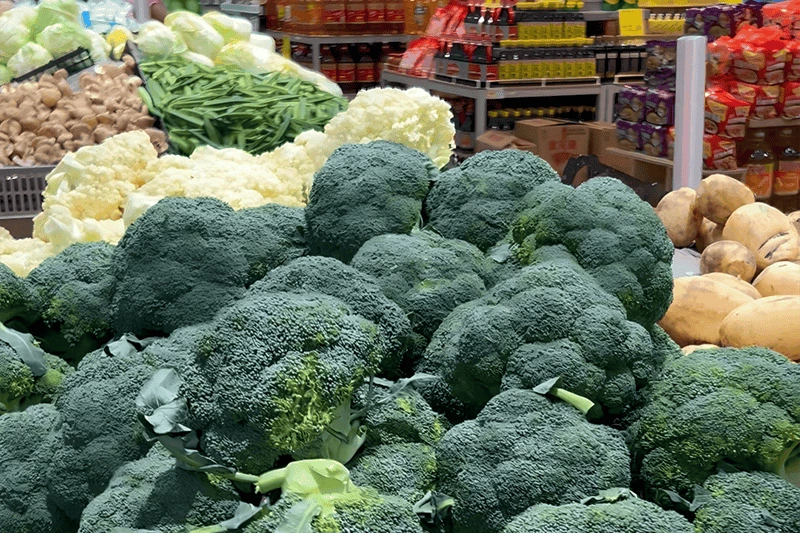
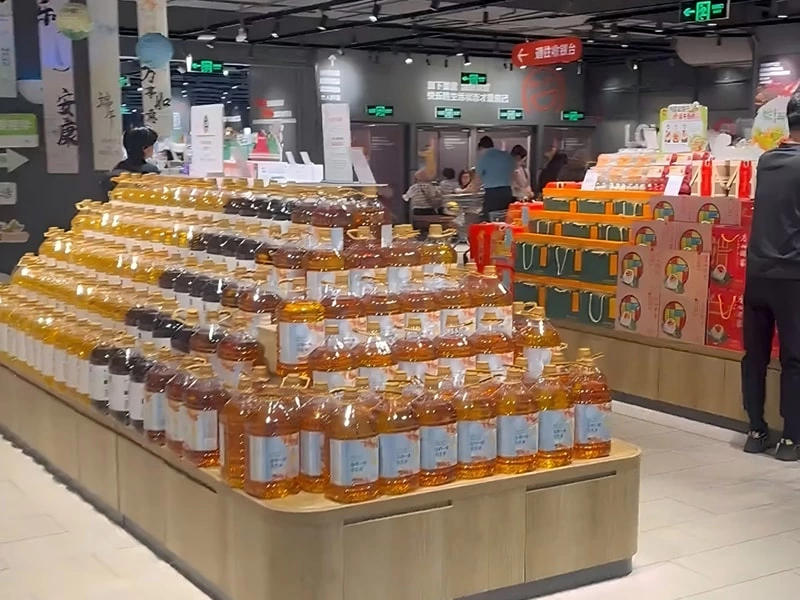
Lighting in the vegetable section helps keep fresh vegetables more juicy and tender.
The fresh produce section is often the area with the highest customer traffic and the fastest product turnover in a supermarket. Improving the lighting in this area is crucial for boosting customer traffic and reducing waste!
For the lighting in the vegetable section, the first thing to do is to choose the right color temperature. Use white light with a high color temperature of 5000K-6000K. This will make the vegetable section look very bright, fully showcasing the greenness and moisture of the vegetables, making the fresh vegetables look better, and allowing customers to intuitively perceive the freshness of the vegetables.
The fresh produce section is often the area with the highest customer traffic and the fastest product turnover in a supermarket. Improving the lighting in this area is crucial for boosting customer traffic and reducing waste!
For the lighting in the vegetable section, the first thing to do is to choose the right color temperature. Use white light with a high color temperature of 5000K-6000K. This will make the vegetable section look very bright, fully showcasing the greenness and moisture of the vegetables, making the fresh vegetables look better, and allowing customers to intuitively perceive the freshness of the vegetables.
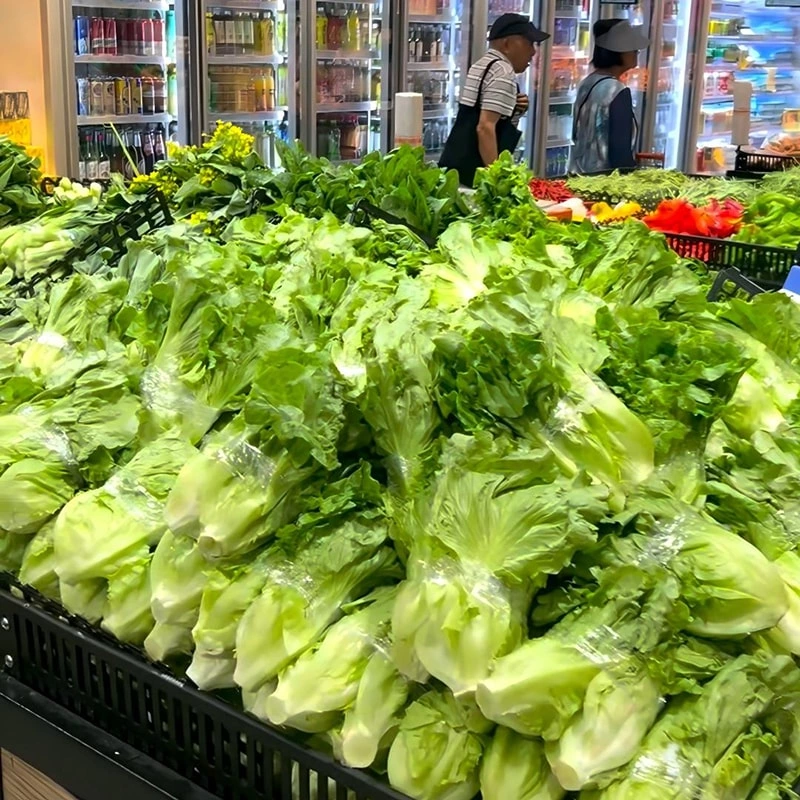
Secondly, the lighting should be layered. The illumination in the shelf area should be sufficient to create contrast with the environment. It should clearly showcase the texture, plumpness, and cleanliness of the vegetable leaves, allowing customers to immediately discern the quality of the vegetables, reducing their concerns about purchasing and increasing their willingness to buy.
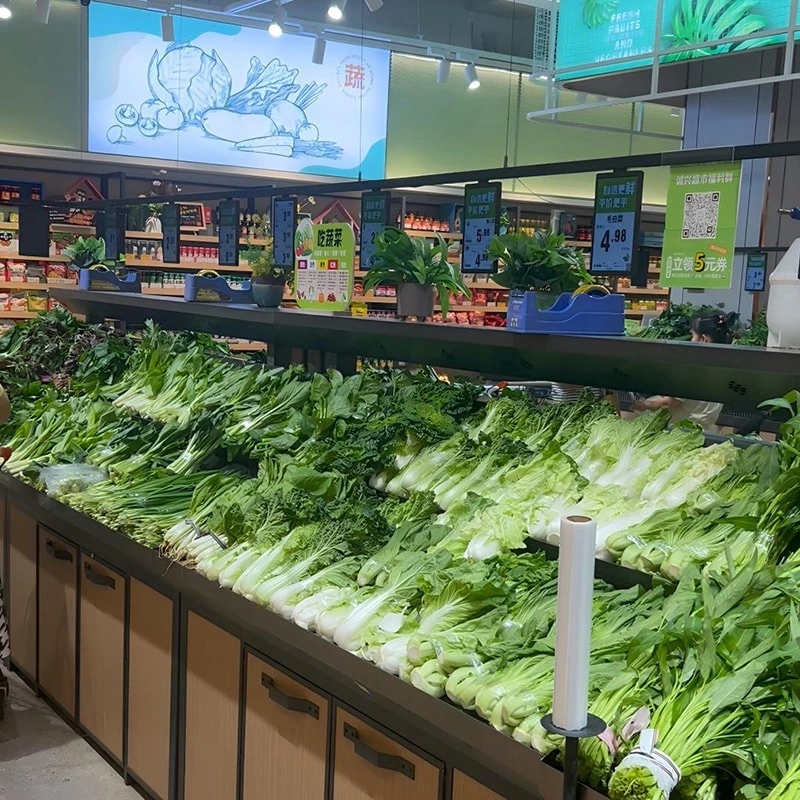
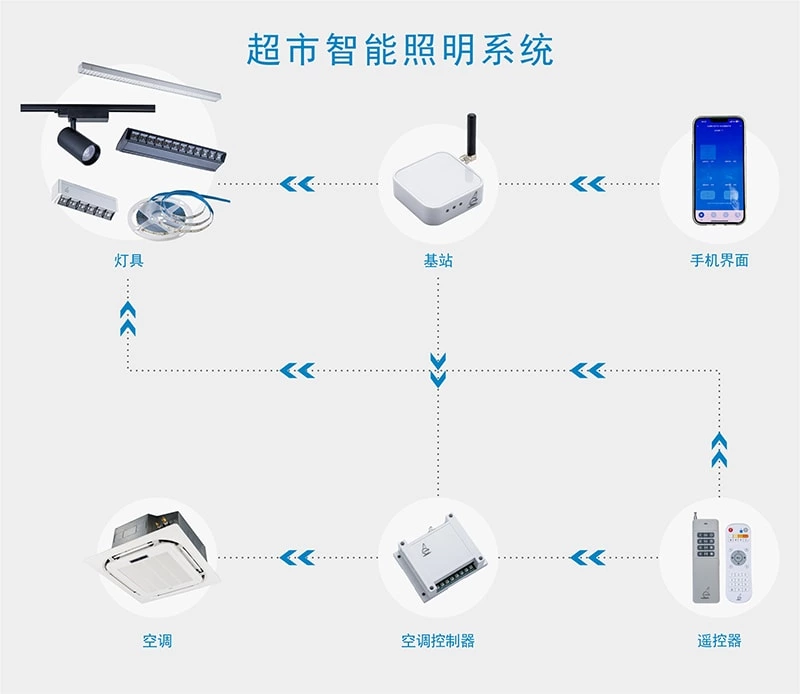
Secondly, we recommend using an intelligent dimming system. Intelligent dimming is very beneficial for supermarket lighting, especially in the fresh produce section. On one hand, dimming can efficiently utilize electricity; increasing brightness during peak hours improves the appearance of goods, while decreasing brightness during off-peak hours saves on electricity costs. On the other hand, decreasing brightness during off-peak hours prevents vegetables from being exposed to direct sunlight for extended periods, reducing moisture loss and minimizing spoilage.
In conclusion, the quality of lighting in the vegetable section of a supermarket has a significant impact on the supermarket's business, customers' shopping experience, and the length of time they stay. Therefore, proper lighting planning for the vegetable section has become a crucial part of supermarket lighting implementation.