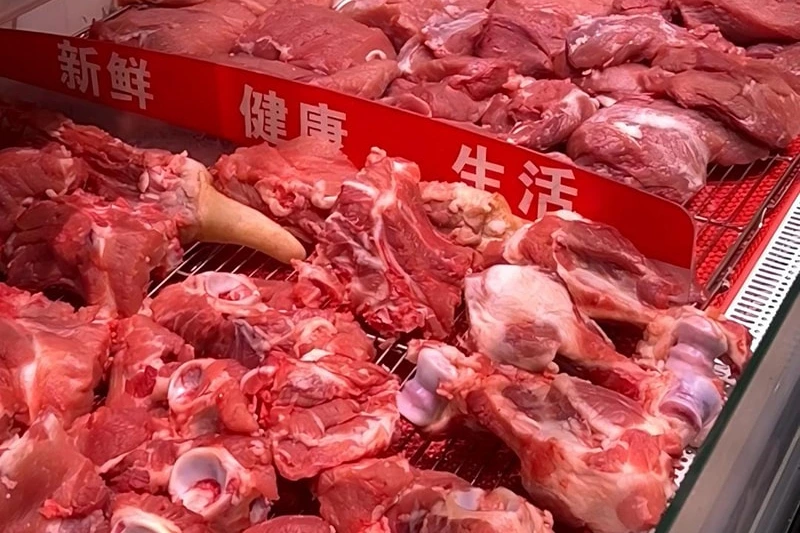
The lighting in the fresh meat section realistically presents the freshness of the meat.
There's one area in supermarket lighting that uses the fewest lights but is crucial and has the highest requirements: the fresh meat section. The fresh meat section is vital to a supermarket, and its lighting is a key indicator of the overall success of the supermarket's lighting project.
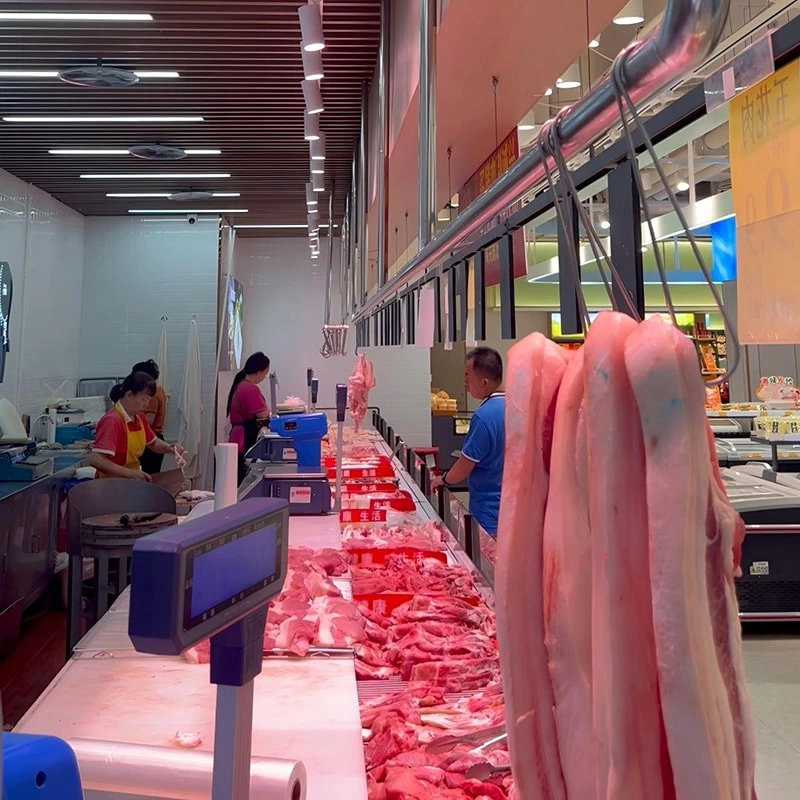
Currently, the practice of using red lights to mislead consumers has been explicitly prohibited by the state. According to the "Measures for the Supervision and Management of the Quality and Safety of Edible Agricultural Products in the Market," "It is prohibited to use lighting or other facilities that significantly alter the true color and other sensory characteristics of edible agricultural products to mislead consumers' sensory perception of the goods." Violations will be punished by the market supervision department once verified!
The lighting in the fresh meat section must realistically reproduce the freshness of the meat without being overly bright, which could negatively impact consumers' visual perception. Successful lighting in a fresh meat section should possess the following characteristics:
First, high color rendering index: The color rendering index is an important standard for measuring the true color of an object by the light. Only by using high color rendering index light in the fresh meat area can the fresh color of pork be presented to consumers.
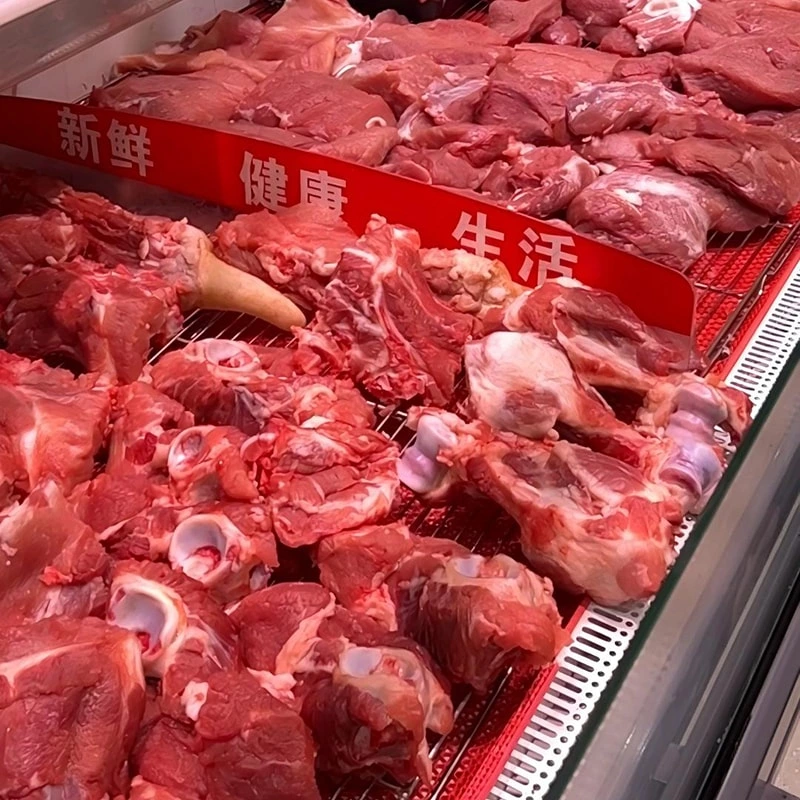
Secondly, the lighting should be layered: the lighting in the fresh meat display area should meet the requirements and contrast with the surrounding environment so that consumers can clearly see the muscle texture of the fresh meat and greatly increase their willingness to buy.
Third, special lighting: The lighting in the fresh meat area should present the tender red color of the fresh meat without misleading consumers. Therefore, within the scope stipulated by the state, special color points are used to realistically display the freshness of the fresh meat within a reasonable range.
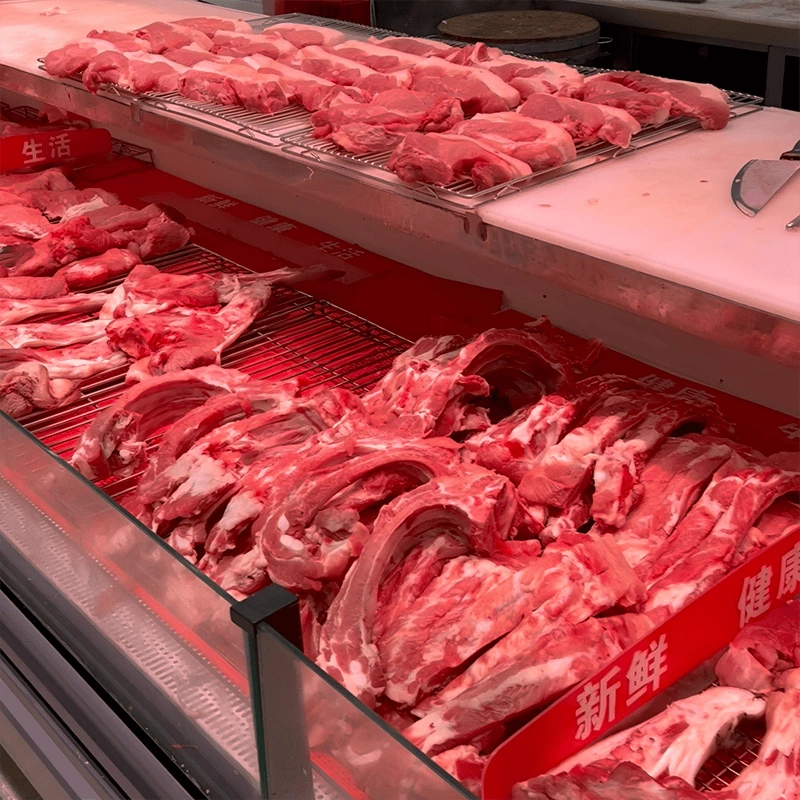
Fourth, the light color can be finely adjusted: For supermarkets with strict requirements, different areas of fresh meat actually have different requirements. For example, pork is lighter in color and beef is darker in color, so the lighting used to achieve the best display effect is also slightly different. However, supermarket fresh meat sections use a small number of lights, making it difficult to customize the corresponding light color from the source of the LED chips. Therefore, using LED chips with finely adjustable light colors becomes a reasonable solution.
In short, the lighting in the fresh meat section must both present the meat as freshly as possible to enhance its appearance and avoid using lighting that does not comply with national regulations, thus affecting consumers' perception. Therefore, this has become a benchmark for judging the professionalism of a supermarket lighting solution provider.